
Read the full context, compare alternatives and consider your own circumstances before making a financial decision.
You receive your salary at the beginning of the month. First comes the house rent, followed by groceries, electricity, transport, mobile recharge and other essential expenses. By the time the third week arrives, very little money remains.
You may have heard financial advice such as “save 20% of your income” or “invest a fixed amount every month.” But what happens when your salary is barely enough to cover your household expenses?
For millions of working people, saving money is not simply a matter of cutting unnecessary shopping. It is about managing limited income while meeting unavoidable responsibilities.
Learning how to save money on a low salary in India begins with understanding your actual financial situation—not following a budgeting formula that may not suit your life.
Whether you earn ₹15,000, ₹20,000, ₹25,000 or ₹30,000 a month, a practical budget can help you identify spending patterns, reduce avoidable expenses and gradually improve financial stability.
Here are twelve realistic strategies worth considering.

Why Is Saving Money on a Low Salary So Difficult?
A modest salary often leaves little room between essential expenses and available income. Consider a household earning ₹20,000 per month. Its regular expenses may include rent, food, electricity, transport, healthcare and family responsibilities.
Unlike discretionary shopping, many of these costs cannot simply be eliminated. Inflation creates additional pressure because essential goods and services may become more expensive even when income remains unchanged.
Unexpected expenses can make the situation worse. A medical bill, vehicle repair or temporary loss of work may consume whatever small amount has been saved.
This is why budgeting for a low income should focus on three priorities:
- Protecting essential living expenses.
- Avoiding unnecessary financial pressure.
- Creating savings when there is genuinely room to do so.
A budget should support your life, not make basic necessities unaffordable.
1. Calculate Your Actual Monthly Take-Home Income
The first step is to know exactly how much money is available. Your gross salary and take-home salary may differ because of deductions such as provident fund contributions, professional tax or other applicable deductions.
For budgeting, use the amount that actually reaches your bank account.
Example
Suppose your monthly salary details are:
| Particulars | Amount |
|---|---|
| Gross monthly salary | ₹25,000 |
| Illustrative deductions | ₹2,000 |
| Take-home salary | ₹23,000 |
Your practical monthly budget should begin with ₹23,000—not ₹25,000. If you receive irregular income from freelancing, commissions or temporary work, calculate a conservative average based on recent earnings.
Avoid building your regular household budget around income that has not yet been received.
What If Your Income Changes Every Month?
Use a cautious income estimate for essential expenses. For example, if your recent monthly income has varied between ₹18,000 and ₹27,000, planning unavoidable commitments around ₹27,000 could create difficulties in a weaker month. A more conservative spending plan may offer greater stability.
2. Record Every Expense for 30 Days
Many people underestimate how much they spend on small, repeated purchases. A ₹50 snack may not appear significant. But spending ₹50 on 20 occasions adds up to ₹1,000.
Similarly, frequent delivery charges, subscriptions or unplanned purchases can consume money that might otherwise support essential needs.
Create Four Expense Groups
| Expense Group | Examples |
|---|---|
| Essential fixed expenses | Rent, school fees, unavoidable loan payments |
| Essential variable expenses | Groceries, transport, electricity, medicines |
| Flexible expenses | Entertainment, eating out, optional subscriptions |
| Irregular expenses | Repairs, festivals, annual renewals |
Record expenses using a notebook, spreadsheet or budgeting app. Choose whichever method you will actually maintain.
Why Track Spending?
Expense tracking reveals where money goes. It also helps distinguish between a genuine shortage of income and spending that can reasonably be adjusted.
If your essential expenses already exceed your income, recording expenses will not solve the shortage by itself—but it will help you understand the size of the problem.
3. Create a Realistic Monthly Budget
A popular budgeting method is the 50/30/20 rule.
It suggests allocating:
- 50% of income to needs.
- 30% to wants.
- 20% to savings and financial goals.
However, this formula may be unrealistic for someone earning a modest salary in an expensive city. If rent and groceries consume 75% of your income, forcing essential expenses into a 50% allocation is not practical.
A More Flexible Budget
Consider the following hypothetical ₹20,000 monthly take-home salary.
| Expense | Monthly Amount |
|---|---|
| Rent or household contribution | ₹5,000 |
| Groceries and essentials | ₹5,000 |
| Transport | ₹1,800 |
| Electricity, mobile and utilities | ₹1,200 |
| Healthcare and medicines | ₹800 |
| Family and personal essentials | ₹1,500 |
| Required debt repayment | ₹2,500 |
| Irregular expense reserve | ₹1,000 |
| Savings | ₹1,200 |
| Total | ₹20,000 |
This example leaves ₹1,200 for savings, or 6% of take-home income. It assumes relatively modest housing costs and may not reflect the reality of every household.
For some families, saving ₹1,200 may be impossible. For others, a larger amount may be affordable.
A realistic budget is more useful than an impressive savings target that cannot be sustained.
4. Reduce Grocery Expenses Without Compromising Nutrition
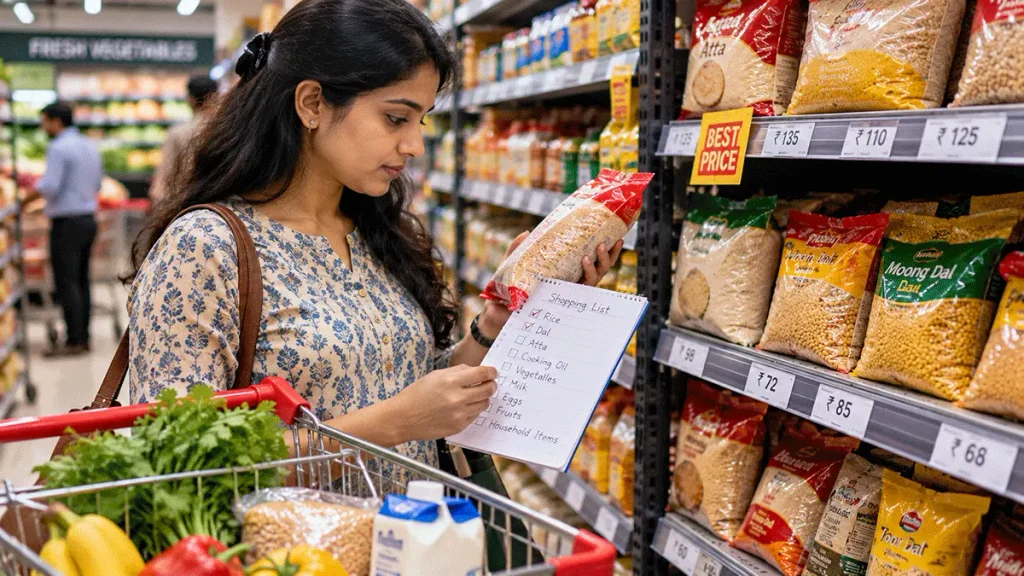
Food is an essential expense, so the objective should not be to eat less than your household needs. Instead, focus on reducing waste and making better purchasing decisions.
Practical Grocery Strategies
Prepare a weekly meal plan before shopping. Check what is already available at home. Compare unit prices rather than relying only on large discount labels. Buy suitable seasonal produce when prices are favourable. Avoid purchasing excessive quantities of perishable food simply because a discount is available.
Example
Suppose a household spends ₹6,000 per month on groceries. Reducing avoidable waste and unnecessary purchases by 5% would save:
₹6,000 × 5% = ₹300 per month
Over twelve months, that represents ₹3,600, assuming the same savings continue. This is only an illustration. Actual savings depend on prices, family size and existing shopping habits. Do not compromise necessary nutrition or healthcare to achieve a savings target.
5. Review Mobile, Internet and Subscription Expenses
Recurring subscriptions can quietly increase monthly spending. You may be paying for services you rarely use, such as multiple streaming platforms, premium mobile apps or overlapping digital subscriptions.
Review every recurring charge. Ask whether the service is essential, regularly used or replaceable with a less expensive option.
Example
| Subscription | Monthly Cost |
|---|---|
| Streaming service A | ₹199 |
| Streaming service B | ₹149 |
| Premium application | ₹199 |
| Total | ₹547 |
If only one service is regularly used, cancelling the others could free up some money. However, not every digital service is unnecessary. An internet connection may be essential for work, education or earning additional income. Cut optional spending before reducing services that support your livelihood.
6. Plan Transport Expenses More Carefully
Transport costs can form a significant part of a monthly budget. Daily commuting expenses may include bus fares, train tickets, fuel, parking and occasional taxi rides.
Where safe and practical, consider:
- Monthly or seasonal public transport passes.
- Combining nearby errands into one trip.
- Comparing travel routes.
- Sharing transport costs where appropriate.
- Maintaining a vehicle to reduce avoidable repair expenses.
A Small Saving Example
Suppose you reduce your average commuting expense by ₹15 per working day.
Over 22 working days:
₹15 × 22 = ₹330 per month
That could amount to ₹3,960 over a year. But the cheapest route is not always the best choice. Safety, travel time, reliability and physical accessibility matter too.
7. Build a Small Emergency Buffer
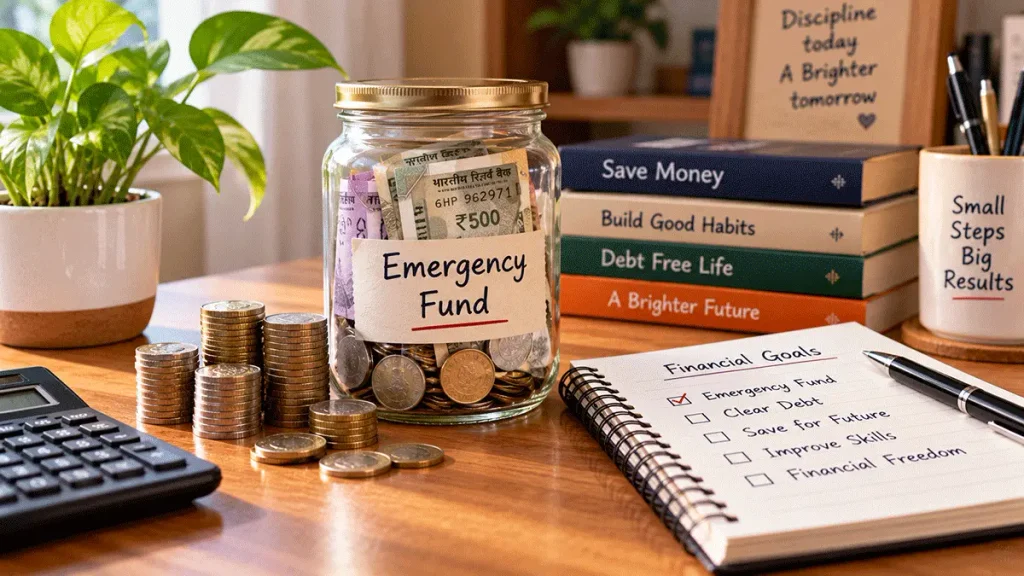
An emergency fund is money kept aside for unexpected but necessary expenses.
These might include:
- Urgent medical costs.
- Essential home repairs.
- Temporary income disruption.
- Necessary vehicle repairs.
- Unavoidable family emergencies.
Financial advice often mentions keeping several months of essential expenses in an emergency fund. That may be a useful longer-term objective, but it can feel overwhelming when monthly savings are limited.
Start With a Smaller Target
A practical first goal might be ₹1,000, ₹3,000 or ₹5,000, depending on your circumstances. Suppose you can save ₹250 each month.
| Time | Total Savings |
|---|---|
| 1 month | ₹250 |
| 3 months | ₹750 |
| 6 months | ₹1,500 |
| 12 months | ₹3,000 |
This calculation excludes interest. The amount may appear small, but it can provide some protection against minor unexpected expenses. Keep emergency savings accessible and separate from routine spending where possible. Do not lock all emergency money into products that make withdrawal difficult or costly.
For a comparison of savings options, see MoneyTrendy’s article Savings Account vs Fixed Deposit: Where Should You Keep Your Money?
8. Avoid Using Credit Cards and Loans for Routine Shortfalls
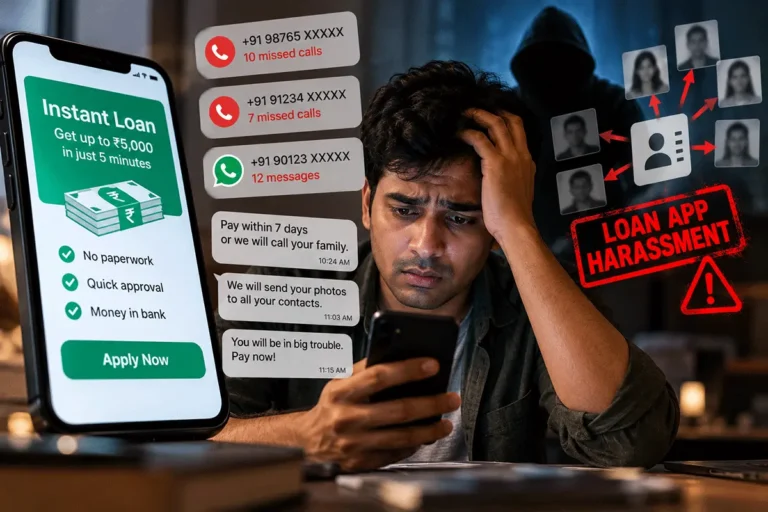
Borrowing can be useful when it serves a genuine need and repayment is affordable. But repeatedly borrowing to cover everyday living expenses can create a difficult cycle.
For example, if your monthly income is ₹20,000 and essential spending is ₹22,000, borrowing ₹2,000 every month does not resolve the underlying deficit.
It adds repayment obligations to future months. Interest and fees can make the gap larger.
Be Careful With Minimum Credit Card Payments
Paying only the minimum amount due may leave a substantial balance accruing interest. The remaining debt can become expensive over time.
What If You Already Have Multiple Loans?
Begin by listing all outstanding obligations. Include the lender, balance, interest rate, due date and current repayment status. Avoid taking additional high-cost loans simply to keep existing payments moving.
If repayments are unaffordable, contact lenders through official channels to discuss hardship assistance, restructuring or other available arrangements. Protect essential household needs and seek qualified debt advice when necessary.
MoneyTrendy’s article Personal Loan vs Credit Card EMI: Which Costs Less? explains why borrowing costs deserve careful attention.
9. Create Separate Budgets for Festivals and Annual Expenses
Some expenses occur only occasionally, but they are still predictable.
Examples include:
- Durga Puja or Diwali shopping.
- School admission expenses.
- Annual insurance premiums.
- Family celebrations.
- Vehicle servicing.
- Appliance maintenance.
- Annual subscriptions.
If you know an expense is approaching, saving gradually may reduce the need for last-minute borrowing.
Example: Festival Budget
Suppose you want to allocate ₹6,000 for a festival six months away.
₹6,000 ÷ 6 = ₹1,000 per month
If ₹1,000 per month is unaffordable, consider reducing the planned expenditure rather than borrowing automatically. A modest celebration that fits your finances is preferable to months of expensive repayments.
Use a Sinking Fund
A sinking fund is money set aside gradually for a known future expense. It differs from an emergency fund because the expense is expected rather than unexpected. Even a simple labelled savings envelope or separate bank account can help organise the money.
10. Automate Savings Only When Your Cash Flow Allows It
Automating a small transfer into savings can reduce the temptation to spend money unnecessarily. For example, you might transfer ₹300 into a separate savings account after receiving your salary. However, automation should not cause essential bills or loan repayments to fail.
A Safer Approach
First identify unavoidable payments and their due dates. Maintain enough balance for those commitments. Then transfer an affordable amount into savings.
If your income is irregular, consider making manual transfers after essential expenses are covered. You can also save a portion of unexpected additional income, such as a bonus or freelance payment.
Does Every Small Saving Need to Be Invested?
No. Money needed for emergencies or near-term expenses generally requires accessibility and appropriate capital protection.
Market-linked investments can fluctuate in value. Do not invest essential short-term money in a risky product simply because it promises higher returns.
11. Look for Ways to Increase Income
There is a limit to how much spending can be reduced. If essential expenses consume nearly all your salary, increasing income may be more effective than further cuts. Possible options depend on your skills, available time and circumstances.
Examples include:
- Freelance writing or design.
- Online tutoring.
- Administrative support.
- Part-time professional services.
- Improving skills for a higher-paying job.
- Seeking better employment opportunities.
- Selling a useful service to local businesses.
Avoid Paying Large Upfront Fees for Job Offers
Be cautious of schemes promising guaranteed daily earnings, instant employment or unusually high returns. Legitimate opportunities should be assessed carefully. Do not share sensitive banking credentials or pay suspicious registration fees to unknown recruiters.
Example: Additional Income
Suppose your salary is ₹22,000 and you earn an additional ₹3,000 from occasional freelance work. Your total income becomes ₹25,000.
If essential expenses remain unchanged, the additional income may create room for savings, debt reduction or other financial priorities. But freelance income can fluctuate, and related expenses or taxes may apply. Avoid treating uncertain earnings as guaranteed monthly income.
12. Review Your Budget Every Month
A budget should change when your circumstances change. Food prices may increase. Rent may rise. You may receive a salary increment or experience an unexpected medical expense. Reviewing your budget helps you respond before financial pressure becomes more serious.
A Simple Monthly Review
At the end of each month, ask:
- How much money did I actually receive?
- Which expenses were unavoidable?
- Where did I spend more than planned?
- Did I need to borrow money?
- Was I able to save anything?
- What should change next month?
Do not judge a budget solely by whether you achieved a savings target. A month in which you paid essential bills without taking on additional debt may represent meaningful progress.
How Much Should You Save From a ₹15,000, ₹20,000 or ₹30,000 Salary?
There is no universal savings percentage that suits every income level.
The following examples illustrate possible savings amounts, not recommended minimums.
| Monthly Take-Home Income | Illustrative Savings | Percentage |
|---|---|---|
| ₹15,000 | ₹300 | 2% |
| ₹20,000 | ₹1,000 | 5% |
| ₹25,000 | ₹1,500 | 6% |
| ₹30,000 | ₹3,000 | 10% |
Actual affordability depends on rent, family size, healthcare, dependants, debt obligations and other circumstances. A person earning ₹30,000 while supporting several family members may have less money available than someone earning ₹20,000 with minimal household commitments.
Income alone does not determine savings capacity.
If your essential expenses exceed your income, a positive savings target may not be feasible until the underlying gap is addressed.
How to Save Money on a ₹20,000 Salary: A Practical Example
Let’s compare two hypothetical monthly budgets.
Before Reviewing Expenses
| Expense | Amount |
|---|---|
| Rent | ₹5,000 |
| Groceries | ₹5,500 |
| Transport | ₹2,000 |
| Utilities and mobile | ₹1,500 |
| Healthcare | ₹800 |
| Family essentials | ₹1,500 |
| Debt repayment | ₹2,500 |
| Optional spending | ₹1,200 |
| Total | ₹20,000 |
| Savings | ₹0 |
After Reviewing Expenses
| Expense | Amount |
|---|---|
| Rent | ₹5,000 |
| Groceries | ₹5,200 |
| Transport | ₹1,800 |
| Utilities and mobile | ₹1,300 |
| Healthcare | ₹800 |
| Family essentials | ₹1,500 |
| Debt repayment | ₹2,500 |
| Optional spending | ₹900 |
| Total Expenses | ₹19,000 |
| Potential Savings | ₹1,000 |
In this hypothetical example, the household saves ₹1,000 by reducing selected flexible expenses without changing rent, healthcare or required debt payments.
This assumes the reductions are practical and do not compromise essential needs. Not every household will have ₹1,000 of avoidable spending. If expenses cannot safely be reduced, income improvement or assistance with unaffordable obligations may be more important.
What Should You Do With Your First ₹5,000 in Savings?
Your first savings should serve your most immediate financial needs. For many people, a small emergency buffer is more useful than taking additional investment risk. You might keep the amount in an accessible bank savings account, subject to the bank’s terms.
If you already have emergency savings but also carry expensive overdue debt, reducing that debt may deserve priority. The right decision depends on your financial situation.
Should You Start a SIP Immediately?
A systematic investment plan, or SIP, allows regular investments into a mutual fund scheme. But mutual fund returns are not guaranteed. Before committing money to a long-term investment, consider whether you can reliably meet essential expenses and handle unexpected costs.
Our article What Is SIP and How Does It Work? A Beginner’s Guide explains the concept in detail.
How Does Inflation Affect a Low-Income Budget?
Inflation reduces purchasing power. If your income remains unchanged while essential prices rise, less money remains for savings. Suppose monthly groceries cost ₹5,000.
If those same groceries become 6% more expensive, the cost increases to ₹5,300. That is an additional ₹300 every month. Over twelve months at the new price, the additional expense would total ₹3,600.
This is a simplified illustration. Actual household inflation varies according to spending patterns and price changes.
For a detailed explanation, read Inflation in India: What Is CPI and How Does It Affect Your Money?
Seven Budgeting Mistakes to Avoid
1. Copying Someone Else’s Budget
Different households have different obligations. Your budget must reflect your circumstances.
2. Cutting Essential Healthcare
Skipping necessary treatment or medication can create serious personal and financial consequences.
3. Treating Credit Limits as Income
A credit card limit is borrowing capacity, not additional earnings.
4. Ignoring Annual Expenses
Festivals, insurance renewals and repairs should be anticipated where possible.
5. Investing Emergency Money in Risky Assets
Money needed soon should not depend on uncertain market returns.
6. Borrowing to Maintain a Lifestyle
Repeated borrowing for discretionary expenses can create long-term repayment pressure.
7. Giving Up After One Difficult Month
Unexpected expenses happen. A budget should be adjusted, not abandoned.
A Simple 30-Day Budgeting Challenge
This challenge is designed to improve financial awareness rather than force a particular savings amount.
| Period | Action |
|---|---|
| Days 1–7 | Record all income, bills and daily expenses |
| Days 8–14 | Identify recurring charges and avoidable spending |
| Days 15–21 | Review groceries, transport and upcoming irregular expenses |
| Days 22–30 | Prepare next month’s realistic budget and savings target |
At the end of 30 days, you should have a clearer picture of your household finances. Even if you save nothing during the first month, identifying the reasons can help you make better decisions.
The MoneyTrendy Takeaway
Saving money on a low salary in India is challenging because many household expenses are essential and difficult to reduce. A successful budget does not require following an unrealistic formula or sacrificing basic needs.
Start by calculating your take-home income and recording actual expenses. Look for reasonable savings in flexible spending, plan ahead for irregular costs and avoid unnecessary high-interest borrowing. Build a small emergency buffer when financially possible.
If essential expenses consistently exceed income, focus on stabilising your finances and exploring sustainable ways to improve earnings.
The goal is not to save the highest percentage of your salary. It is to build a financial routine you can realistically maintain.
Small improvements can matter, but financial stability always comes before an arbitrary savings target.
Frequently Asked Questions
How Can I Save Money on a ₹15,000 Salary?
Start by recording essential expenses and identifying any genuinely flexible spending. Save a small amount only if your income covers necessities and required obligations. There is no compulsory savings percentage.
Is It Possible to Save ₹5,000 From a ₹20,000 Salary?
It may be possible for someone with very low expenses, but saving 25% of income is unrealistic for many households. Your actual expenses determine what is affordable.
What Is the Best Budgeting Rule for a Low Salary?
A flexible needs-first budget is often more practical than a rigid percentage formula. Essential living expenses and required obligations should be considered before optional spending and savings goals.
Should I Save Money or Repay Debt First?
The answer depends on the debt’s interest rate, repayment status, emergency needs and your ability to pay. Expensive overdue debt may require urgent attention, while a small emergency buffer can help prevent further borrowing.
How Much Emergency Money Should I Keep?
A larger emergency fund may be a useful long-term goal, but the appropriate amount depends on your circumstances. Begin with an affordable target and build gradually.
Can I Start Investing With ₹500 a Month?
Some investment products permit small contributions, but suitability depends on your finances, investment horizon and risk tolerance. Investment returns are not guaranteed.
How Can I Reduce Monthly Expenses Without Affecting My Family?
Review optional subscriptions, food waste, recurring fees and avoidable purchases first. Protect necessary nutrition, healthcare, education and other essential needs.
Sources & References
For further reading on budgeting, savings, consumer protection and financial literacy:
- Reserve Bank of India — Financial Education — Financial awareness and responsible money management.
- RBI — Official Website — Banking regulations, consumer information and monetary policy.
- SEBI Investor Website — Investor education, investment risks and financial planning.
- National Centre for Financial Education — Financial literacy and educational resources.
- DICGC — Deposit insurance information for eligible bank deposits.
- Ministry of Statistics and Programme Implementation — Official inflation and consumer price statistics.
Illustrative budgets and calculations in this article are educational examples. They are not official cost-of-living estimates or personalised financial recommendations.
Editorial & financial note
MoneyTrendy content is educational and does not constitute personalised financial, investment, tax or legal advice.