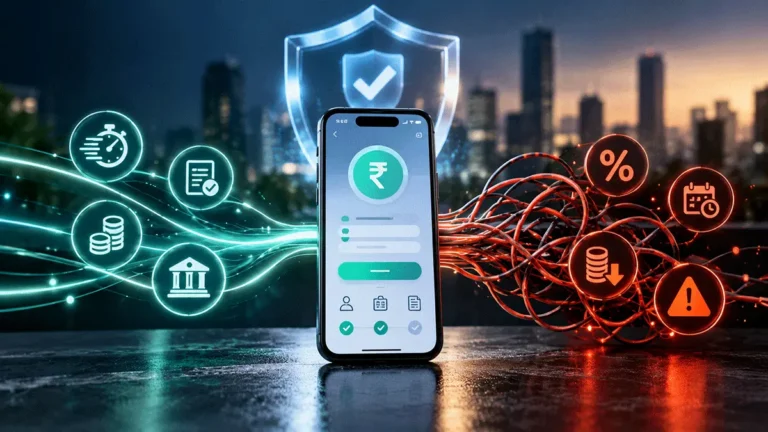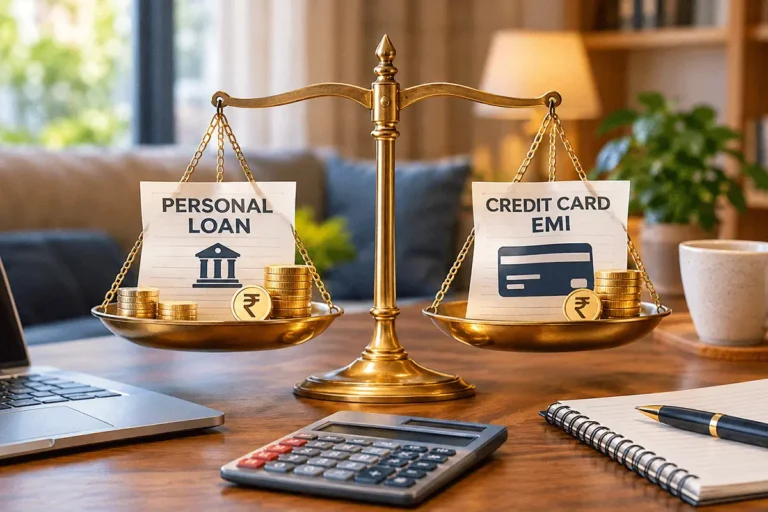
Read the full context, compare alternatives and consider your own circumstances before making a financial decision.
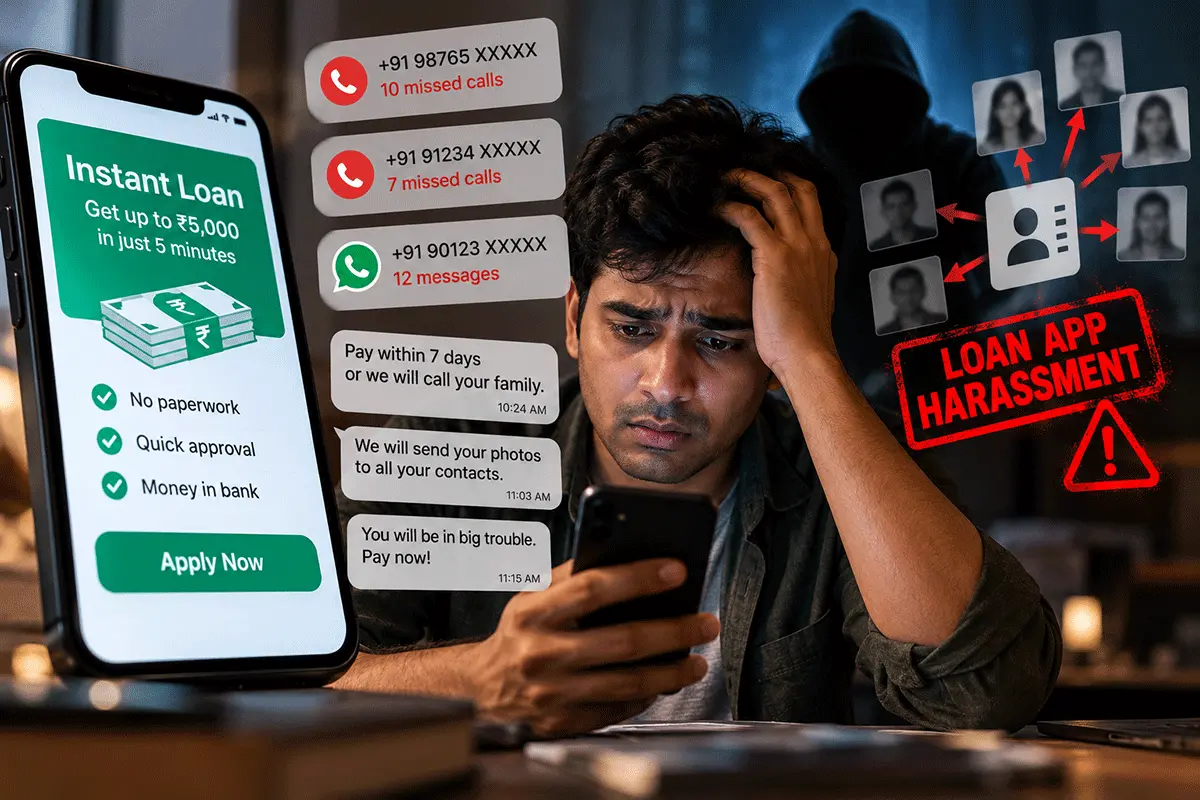
A person urgently needs ₹5,000. An advertisement promises an instant loan, minimal paperwork and approval within minutes. After installing the application and submitting personal details, money arrives in the bank account.
But instead of ₹5,000, only ₹3,000 is credited.
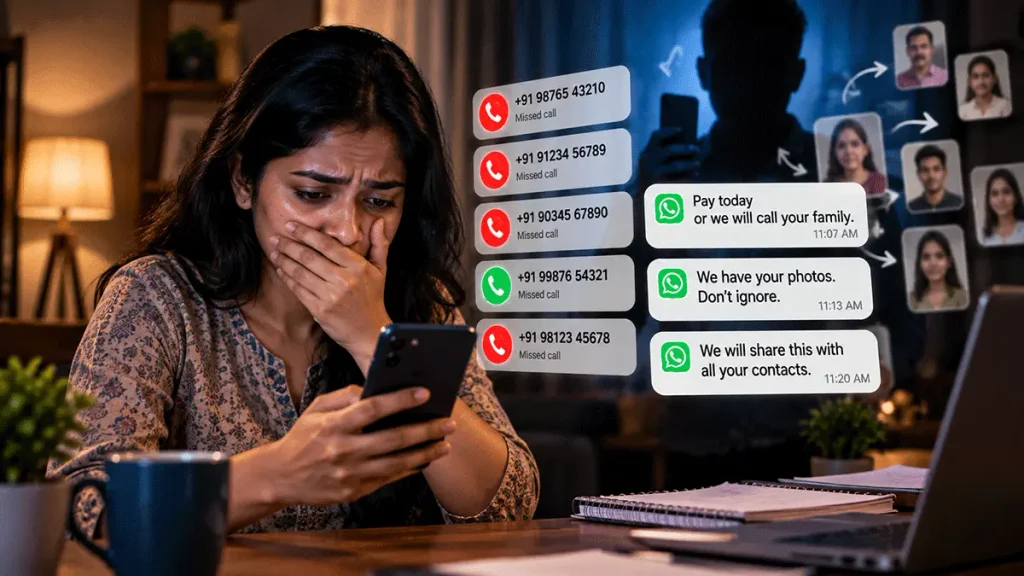
The application still demands ₹5,000 within seven days. Before the repayment deadline, calls begin arriving from unfamiliar numbers. The callers threaten to contact family members, circulate photographs or send humiliating messages to people saved in the borrower’s phone.
For victims of illegal and fraudulent seven-day loan apps in India, this can become a frightening combination of financial pressure, privacy violations and harassment. These operations are not simply about expensive loans. Some involve suspected fraud, unlawful collection practices, intimidation, misuse of personal information and extortion.
The Reserve Bank of India (RBI) has previously warned the public about unauthorised digital lending platforms promising quick and hassle-free loans.
This guide explains how fraudulent seven-day loan apps operate, how to recognise their warning signs, how to reduce harassment calls and WhatsApp threats, and where to report suspected illegal activity.
What Are Illegal 7-Day Loan Apps?
Illegal seven-day loan apps are digital lending applications involved in unlawful lending activities, fraudulent representations or prohibited practices, often using extremely short repayment deadlines to pressure borrowers.
Some operators may conceal the identity of the actual lender. Others may falsely claim connections with RBI-regulated banks or Non-Banking Financial Companies (NBFCs).
Certain malicious apps may collect personal data and subsequently use it to intimidate borrowers into making payments. However, not every loan with a seven-day repayment period is illegal.
A loan’s legality depends on the lender’s authority to operate, applicable laws, the agreement and the conduct of the parties involved. The distinction is important: a legitimate short-term loan can be expensive, while a fraudulent loan-app operation may involve criminal conduct extending far beyond the loan itself.
How Illegal 7-Day Loan-App Scams Work
Although fraudulent operations differ, several patterns appear repeatedly in consumer complaints and regulatory warnings.
1. Instant loan advertisements
The borrower encounters an advertisement promising immediate approval, minimal documentation or emergency cash. These advertisements may appear on social media, messaging applications or unfamiliar websites. The actual lender’s legal identity may not be clearly disclosed.
2. Collection of personal information
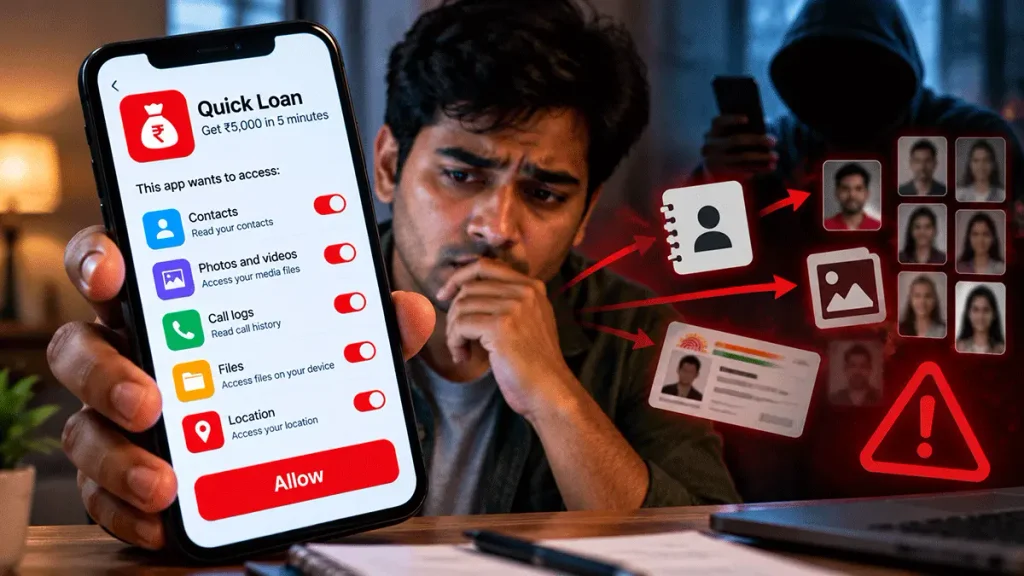
During registration, the application requests identity documents, bank details, photographs and mobile permissions. Some suspicious apps seek access to contacts, call logs, photographs or other information unrelated to legitimate lending requirements. Once information has been copied, removing the application may not erase it from the operator’s systems.
3. Excessive upfront deductions
The application may advertise a ₹5,000 loan but credit a substantially lower amount after deducting charges. The borrower is then required to repay the full advertised principal within seven days.
4. Aggressive repayment demands
Collection calls may begin before the repayment deadline. Some callers use threatening language or claim that immediate payment is necessary to prevent legal action or public humiliation.
5. Contact-list harassment
If the app has obtained phone contacts, operators may threaten to call relatives, colleagues or friends. In serious cases, they may actually send messages or make calls to those individuals.
6. Repeated borrowing
A borrower unable to repay may take another short-term loan to meet the first repayment demand. This creates overlapping obligations and can lead to a cycle of expensive borrowing.
The Real Cost of an Illegal Seven-Day Loan
Consider a hypothetical example:
| Loan details | Amount |
|---|---|
| Advertised loan | ₹5,000 |
| Amount actually received | ₹3,000 |
| Amount demanded after seven days | ₹5,000 |
| Difference | ₹2,000 |
| Seven-day cost relative to funds received | 66.67% |
The borrower receives ₹3,000 but must pay ₹5,000 after one week. That represents a seven-day borrowing cost of approximately 66.67% relative to the amount received.
This is an illustrative calculation, not the regulatory Annual Percentage Rate (APR), and it does not describe any particular lender. The example shows how deductions can make a seemingly small loan extraordinarily expensive. Borrowers should always compare the actual amount credited to their account with the total repayment demanded.
Contact-List Harassment: How Fraudulent Loan Apps Pressure Borrowers
Contact-list harassment is one of the most serious concerns associated with malicious lending applications. An app may obtain names and telephone numbers from the borrower’s device. When repayment becomes due, callers may threaten to contact those individuals.
Some abusive practices include:
- Calling family members and disclosing private loan information.
- Sending messages to colleagues or employers.
- Threatening to publish personal photographs.
- Making false allegations about a borrower’s character.
- Using abusive or humiliating language.
- Impersonating police officers or legal authorities.
Such behaviour can involve privacy violations, intimidation or other suspected criminal offences. A genuine repayment obligation does not provide unlimited permission to interfere with a borrower’s personal relationships.
Can Illegal Loan Apps Misuse Photographs and Personal Documents?
Malicious operators may attempt to misuse photographs, identity documents or other information obtained through an application. Threats may include circulating images, creating manipulated photographs or sending defamatory messages.
If this happens, preserve the original messages and screenshots. Do not send additional photographs, identity documents, passwords or OTPs to threatening callers. Paying a further amount does not guarantee that copied information will be deleted or that threats will stop.
Where threats involve suspected extortion, impersonation or unlawful disclosure of private information, contact the police or cybercrime authorities.
How to Stop Harassment Calls from Illegal Loan Apps
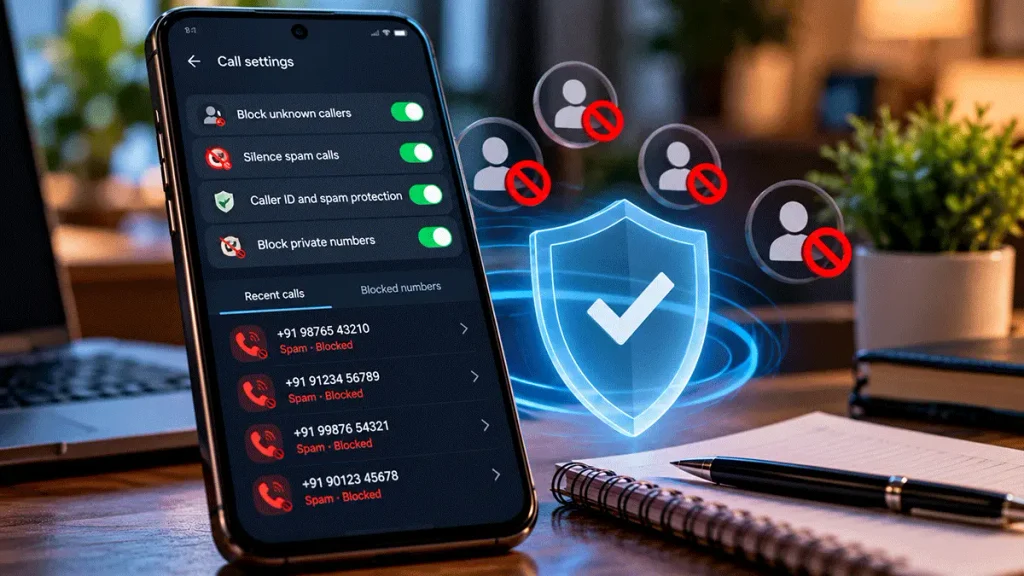
Victims sometimes receive dozens or even hundreds of calls in a day. Blocking individual numbers may provide limited relief because callers can switch between mobile numbers, internet-based calling services and WhatsApp accounts. No phone setting can guarantee that every threatening call will stop, but several measures can substantially reduce disruption.
1. Enable spam protection on Android
If your phone uses Google’s Phone application:
- Open the Phone app.
- Select Settings.
- Open Caller ID & spam.
- Enable caller identification and spam protection.
- Turn on spam-call filtering if the option is available.
You can also open recent calls and block or report suspicious numbers. The available settings may differ depending on your phone manufacturer and software version. Spam filtering can reduce known nuisance calls but cannot reliably identify every new number used by a fraudulent operator.
2. Use Do Not Disturb for repeated calls
When callers continually change numbers, temporarily enabling Do Not Disturb can be more useful than blocking them individually. Configure the phone to allow calls from saved contacts or selected trusted people. This can prevent repeated unknown calls from interrupting work, sleep and daily activities.
However, it may also silence legitimate calls from unsaved numbers, including hospitals, employers or delivery services. Review missed calls periodically.
Important: Blocking private or unidentified caller IDs is not necessarily the same as blocking every unsaved number. The available options depend on the phone and calling application.
3. Silence unknown WhatsApp callers
Open WhatsApp and navigate to:
Settings → Privacy → Calls → Silence Unknown Callers
Enable the option if available. Unknown WhatsApp calls will be silenced rather than ringing normally. Review other privacy settings as well, including profile photo, About, last seen and group invitations. For threatening messages, preserve evidence before reporting and blocking the sender.
4. Block and report abusive numbers
Use the phone’s built-in blocking and spam-reporting functions. For WhatsApp, use the Report and Block options. Blocking can stop direct communication from a particular account or number, but it cannot prevent an operator from using another account. Keep evidence of serious threats before deleting conversations.
5. Avoid repeated arguments
You do not need to remain on an abusive call. Avoid arguments, threats or sharing further personal information. If a legitimate lender can be identified, request official written communication about the loan and outstanding balance. Keep a record of threats and abusive demands.
6. Inform trusted family members
If the app has obtained your contacts, warn close family members that suspicious callers may contact them. Ask them not to share information or transfer money to unidentified callers. They should preserve threatening messages and report abusive accounts. This reduces the likelihood that callers will obtain additional information or payments through relatives.
7. Report persistent threats
When calls involve suspected extortion, impersonation, threats to circulate photographs or other cybercrimes, report them through the National Cyber Crime Reporting Portal.
Website: https://cybercrime.gov.in/
You can also report suspicious telephone numbers and WhatsApp accounts through the portal’s Report Suspect facility. For financial cyberfraud, contact 1930 promptly. These steps may help authorities investigate the conduct. They do not guarantee an immediate end to calls.
How to Stop WhatsApp Threats from Loan-App Recovery Agents
WhatsApp harassment may involve repeated calls, threatening voice notes, abusive messages or demands for immediate payment.
If this happens:
- Preserve screenshots and relevant chat records.
- Save the sender’s number and any available identifying details.
- Avoid sending money to an unverified UPI ID.
- Restrict profile visibility through WhatsApp privacy settings.
- Use Report and Block for abusive accounts.
- Report suspected criminal threats to the appropriate authorities.
If someone threatens to distribute private photographs, treat the threat seriously even if the images have not yet been circulated. Do not assume that an unknown caller is a genuine recovery agent merely because they possess your name or loan details.
How to Revoke Permissions Given to a Suspicious Loan App
If a loan app has permission to access contacts, photographs or other sensitive information, review those permissions immediately.
On Android, the general process is:
- Open Settings.
- Select Apps.
- Choose the suspicious loan application.
- Open Permissions.
- Review access to contacts, photos, files, camera, microphone and location.
- Revoke unnecessary permissions.
Exact menu names differ across Android devices. Before uninstalling the application, preserve important evidence such as the app’s name, developer information, loan agreement and threatening messages. Revoking permissions may restrict future access. It does not guarantee deletion of information previously copied. If you suspect malware or unauthorised account access, seek trusted technical assistance.
Can Uninstalling an Illegal Loan App Stop Harassment?
Uninstalling an app can stop it from operating normally on your phone. However, it cannot guarantee that personal information previously collected by the operator has been deleted. The operator may still possess your phone number, contact list or documents.
Therefore, uninstalling should be part of a broader response involving permission review, account security, evidence preservation and reporting. Uninstalling an app also does not automatically cancel any genuine loan agreement.
What If the Loan App Calls Your Family or Employer?
If family members, friends or colleagues receive threatening calls, ask them to preserve the evidence.
Useful records include:
- Call dates and times.
- Telephone numbers.
- Screenshots of messages.
- Voice notes or other relevant communications.
- Details of threats or false allegations.
They should avoid making payments or disclosing personal information to unidentified callers. Affected individuals may also report suspected criminal conduct to the police or cybercrime authorities. Where a regulated lender is genuinely involved, the borrower can additionally complain to that lender about improper recovery practices.
What RBI Rules Say About Loan Recovery Harassment
RBI’s instructions for covered regulated entities prohibit intimidation, harassment, public humiliation and intrusion into the privacy of borrowers’ relatives, friends and referees. The instructions also prohibit threatening or anonymous calls, persistent harassment and recovery calls before 8:00 a.m. or after 7:00 p.m.
The regulated lender remains responsible for the conduct of recovery agents engaged by it, within the applicable regulatory framework. These restrictions do not mean that a call made during permitted hours is automatically acceptable. Abusive conduct remains objectionable.
A distinction is necessary, however: an unidentified fraudulent operator may not be acting as an authorised agent of an RBI-regulated lender. In that situation, police and cybercrime reporting may be more appropriate than relying solely on RBI’s grievance mechanism.
How to Check Whether a Loan App Is Illegal or Fraudulent
A suspicious app may have professional graphics, positive reviews and an apparently legitimate payment interface. These features do not prove that it is authorised.
Verify the actual lender
Identify the legal company named in the loan agreement. Check whether it is an RBI-regulated bank or NBFC, or another entity legally entitled to lend under applicable law.
Check the claimed relationship
If the app claims to represent a bank or NBFC, verify that relationship through the lender’s official website. RBI’s public digital lending app directory can also help consumers check reported associations with regulated entities.
However, the directory is based on information submitted by regulated entities and should not be interpreted as RBI endorsement of an app.
Examine the agreement
Check the actual disbursement amount, interest, charges, repayment schedule and grievance contact. For regulated digital lending covered by RBI requirements, the applicable Key Facts Statement and other disclosures should be provided.
Review device permissions
Be cautious of apps seeking unrestricted access to contacts, call logs or unrelated personal files.
Verify repayment instructions
Unexpected requests to transfer money to personal UPI IDs or unrelated accounts require independent verification. An app’s suspicious behaviour warrants investigation, but only the appropriate authorities or courts can determine particular legal violations.
Common Warning Signs of Illegal Loan Apps
The following warning signs deserve particular attention:
- No verifiable legal lender.
- False claims of RBI approval.
- Unexplained upfront deductions.
- Missing or inconsistent loan documentation.
- Excessive device permissions.
- Threats to contact relatives or employers.
- Threats to publish personal photographs.
- Repeated demands from changing telephone numbers.
- Requests for payment into unrelated accounts.
- Pressure to take another loan to repay an existing one.
Several warning signs appearing together can indicate a high-risk lending arrangement.
What to Do If an Illegal Loan App Is Harassing You
If you are already receiving threats, the priority is to protect yourself and preserve evidence.
Step 1: Create an evidence record
Save loan documents, bank statements, screenshots, WhatsApp messages and call logs. Record the app name, dates, numbers and repayment demands. Keep copies of relevant communications in a secure location.
Step 2: Establish the actual financial transactions
Check how much money was credited to your bank account. Compare it with the amount demanded and any payments already made. Do not rely exclusively on figures displayed by the application.
Step 3: Secure your phone and accounts
Review app permissions, remove unnecessary access and change compromised passwords. Do not disclose OTPs, banking PINs or account credentials.
Step 4: Verify the lender
Identify whether a genuine regulated lender is involved. If so, use its official grievance channel to report abusive recovery conduct and request a statement of account.
Step 5: Report suspected criminal conduct
For extortion, impersonation, threatening messages, financial fraud or misuse of private information, contact the cybercrime authorities or police.
Step 6: Address disputed repayment demands separately
Request documentation establishing the lender’s identity, contractual terms and claimed outstanding balance. Seek legal assistance where the validity or enforceability of the demand is disputed.
Where to Report Illegal Loan Apps in India
National Cyber Crime Reporting Portal
Website: https://cybercrime.gov.in/
Use this portal to report suspected cybercrime, including relevant financial fraud, extortion, impersonation and online threats. The portal’s Report Suspect facility also accepts information about suspicious telephone numbers, WhatsApp numbers, websites and other identifiers.
National Cybercrime Helpline — 1930
Call 1930 to report financial cyberfraud. Prompt reporting is particularly important if money has been fraudulently transferred.
Local police or cybercrime police station
Contact the police when the conduct involves threats, suspected extortion, impersonation or other potential criminal offences. If there is an immediate threat to physical safety, seek emergency police assistance.
RBI Complaint Management System
Website: https://cms.rbi.org.in/
This may be relevant when a covered RBI-regulated lender is involved. Generally, the borrower must first approach the regulated entity and satisfy the applicable Ombudsman Scheme conditions before escalating an unresolved complaint. RBI’s complaint portal is not a substitute for a criminal complaint against an unidentified fraudulent operator.
RBI Sachet Portal
Website: https://sachet.rbi.org.in/
The Sachet portal provides information and complaint-routing facilities concerning certain unauthorised financial activities. The appropriate channel depends on the nature of the complaint.
Should You Repay an Illegal 7-Day Loan App?
This question requires careful consideration. A threatening caller’s demand should not automatically be accepted as valid. However, an app’s misconduct does not automatically establish that every underlying loan obligation is legally unenforceable.
The relevant facts include the identity of the actual lender, the amount received, the agreement, the charges and the payments already made. Before paying a disputed amount, request an authenticated statement of account and verify the repayment channel.
Do not transfer additional money to an unidentified personal account solely because someone threatens humiliation or arrest. Where the agreement or demand is disputed, consult an appropriate legal professional.
Can Loan-App Recovery Agents Get You Arrested?
Missing a loan repayment does not automatically mean that a borrower has committed a criminal offence. Ordinary inability to repay a debt is different from allegations involving fraud or other criminal conduct.
A recovery caller cannot order an arrest merely by claiming to represent a lender or police authority. However, the legal consequences of any particular dispute depend on the facts.
If someone threatens immediate arrest unless you transfer money, independently verify the claim and preserve the evidence. Do not ignore authentic court notices or lawful summons.
Why Borrowing from Another 7-Day Loan App Can Make Things Worse
A borrower who cannot repay the first loan may consider taking another. This can create a repeating cycle:
First loan → Short repayment deadline → New loan → Additional charges → Another repayment deadline
The financial burden may increase with each borrowing decision. When multiple loans are already outstanding, borrowers should identify the genuine lenders, calculate actual balances and explore realistic repayment options rather than automatically adding another expensive loan.
If threats are involved, address them through appropriate reporting channels separately from resolving legitimate financial obligations.
How to Protect Yourself Before Installing a Loan App
Before applying for a digital loan, verify the lender and read the agreement carefully. Avoid unknown installation links, unnecessary permissions and offers that conceal the true borrowing cost.
Check whether the app is genuinely associated with the lender it names. Review the amount that will actually be disbursed and the total amount repayable.
Be especially cautious when the repayment period is only seven days and there is no reliable source of money available before the deadline. Do not share sensitive documents with unidentified individuals or unverified applications.
Final Thoughts
Illegal and fraudulent seven-day loan apps can expose borrowers to far more than high borrowing costs. The risks may include unauthorised collection of personal information, threatening calls, contact-list harassment, photograph misuse, impersonation and extortion.
Victims can take practical steps to reduce unwanted calls by enabling spam filtering, using contact-only Do Not Disturb settings, restricting WhatsApp calls and revoking suspicious application permissions.
But phone settings alone cannot resolve every case. Preserving evidence, verifying the actual lender and reporting suspected criminal conduct are equally important.
A genuine debt does not give anyone the right to threaten, humiliate or extort a borrower.
Consumers should understand both their repayment responsibilities and their rights to privacy, safety and lawful treatment.
Official sources
- RBI — Financial Awareness Messages: Digital Lending Apps — verifying lending apps and reporting suspicious operators
- RBI — Recovery Agent Responsibilities — intimidation, harassment, privacy and recovery calling restrictions.
- RBI — Public Repository of Digital Lending Apps — checking claimed relationships with regulated lenders.
- National Cyber Crime Reporting Portal — cybercrime complaints and financial fraud reporting.
- Report Suspect — reporting suspicious phone numbers, WhatsApp accounts and websites.
- RBI Sachet — reporting certain unauthorised financial activities.
Disclaimer
This MoneyTrendy article is intended for general financial education and consumer awareness. It does not constitute individual legal, financial or cybersecurity advice. Whether a particular lending app, agreement or recovery practice is unlawful depends on the facts and applicable law. Readers facing threats, suspected fraud or disputed debts should seek help from the appropriate authorities or qualified professionals.
Editorial & financial note
MoneyTrendy content is educational and does not constitute personalised financial, investment, tax or legal advice.